
In the Search for Perfect Coffee: Conical Burr Myths Debunked
Coffee grinders are a maze of buzzwords - irrelevant burr sizes, “nanometer” precision, and endless specs promising the ultimate brew. But what truly delivers a flawless cup? At Overlord, we cut through the confusion with clear answers, guiding you through the science of conical burrs, how we reimagined their design, and why we stand behind the open source philosophy.
Let’s debunk the myths and reveal why conical burrs are the key to your perfect coffee.
By: Dmitry Nova and Alex Morin, August 2025.
Burr Science
What's a Burr Set?
At the heart of every coffee grinder lies the burr set: either conical or flat. Flat burrs shine in electric grinders where their efficiency scales with size. Conical burrs, however, excel in manual and home grinders thanks to their versatility.
Flavor-wise, both deliver excellent results when precisely calibrated for your brewing method. Yet you may like better those classic and rich profiles the conical burrs tend to offer.
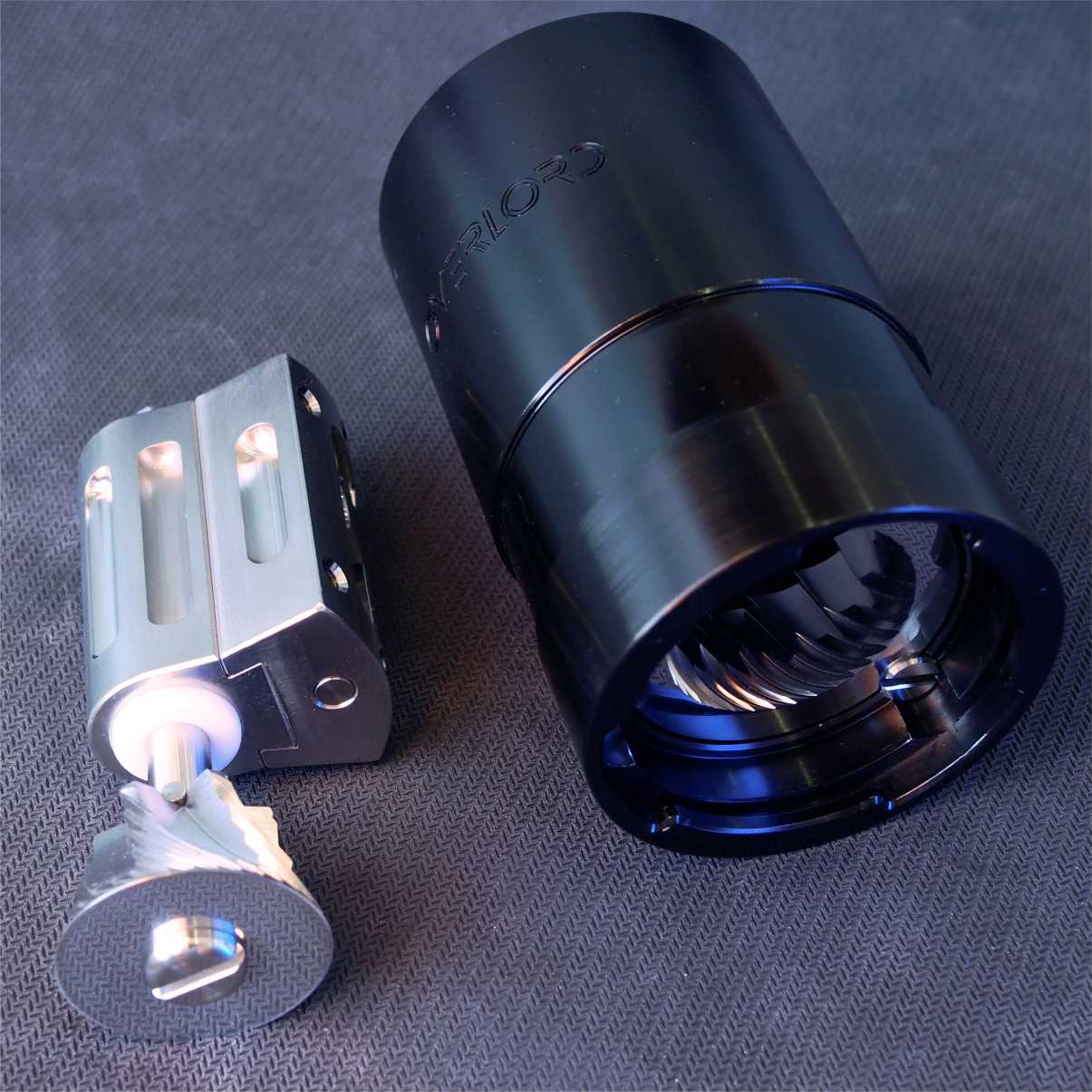
A conical set features a cone burr nested within a ring burr. Gravity feeds the beans downward as the spinning burr crushes them into uniform particles - the foundation of great coffee. Conical burrs come in wide range of options, with cutting geometries optimized specifically for espresso or filter coffee.

Flat v Conical
Flat burrs are the workhorses of cafe and industrial grinders where speed and quantity are essential. Their efficiency grows directly with diameter, but smaller "flats" are actually at a disadvantage as they require complex mounting systems that need calibration and often additional pre-brakers called the augers. That's why there're so few manual flat burr grinders.
Conical burrs, however, reign supreme in home and travel grinders. Their compact design delivers superior performance making them ideal for daily hand grinding and countertop elegance. For everyday coffee lovers, cones win hands down.
Size Matters
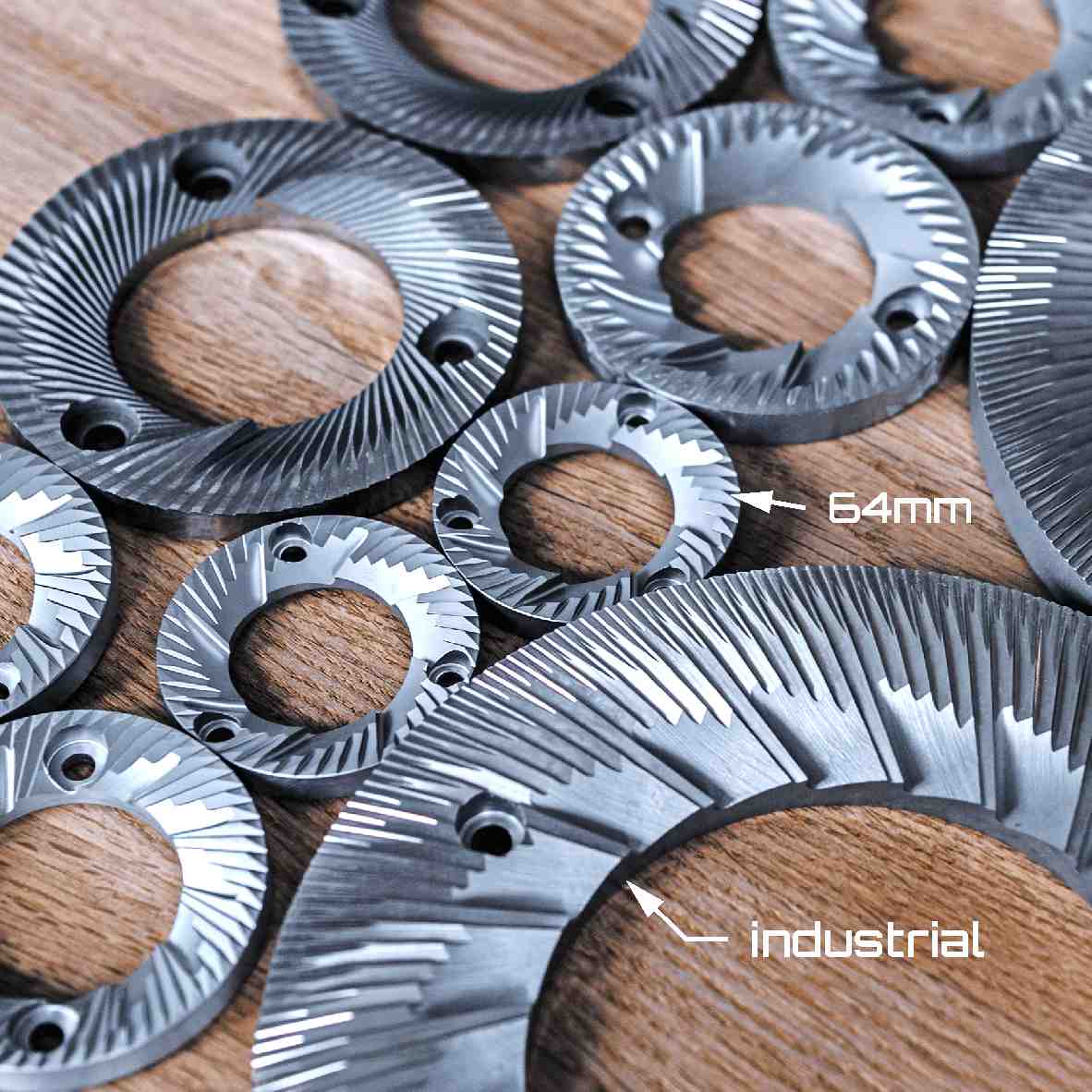
When it comes to understanding burr sizes, flat burrs are simple: their size is determined by the outer diameter, because coffee particles shoot out at those edges as centrifugal force pushes them outward from the center.
Conical burrs are trickier. The outer diameter of the ring burr is completely irrelevant, because grinding happens inside the set - by the cone. Logically, it's the cone's diameter that reflects the true size of the burr set, and that is the metric we use.
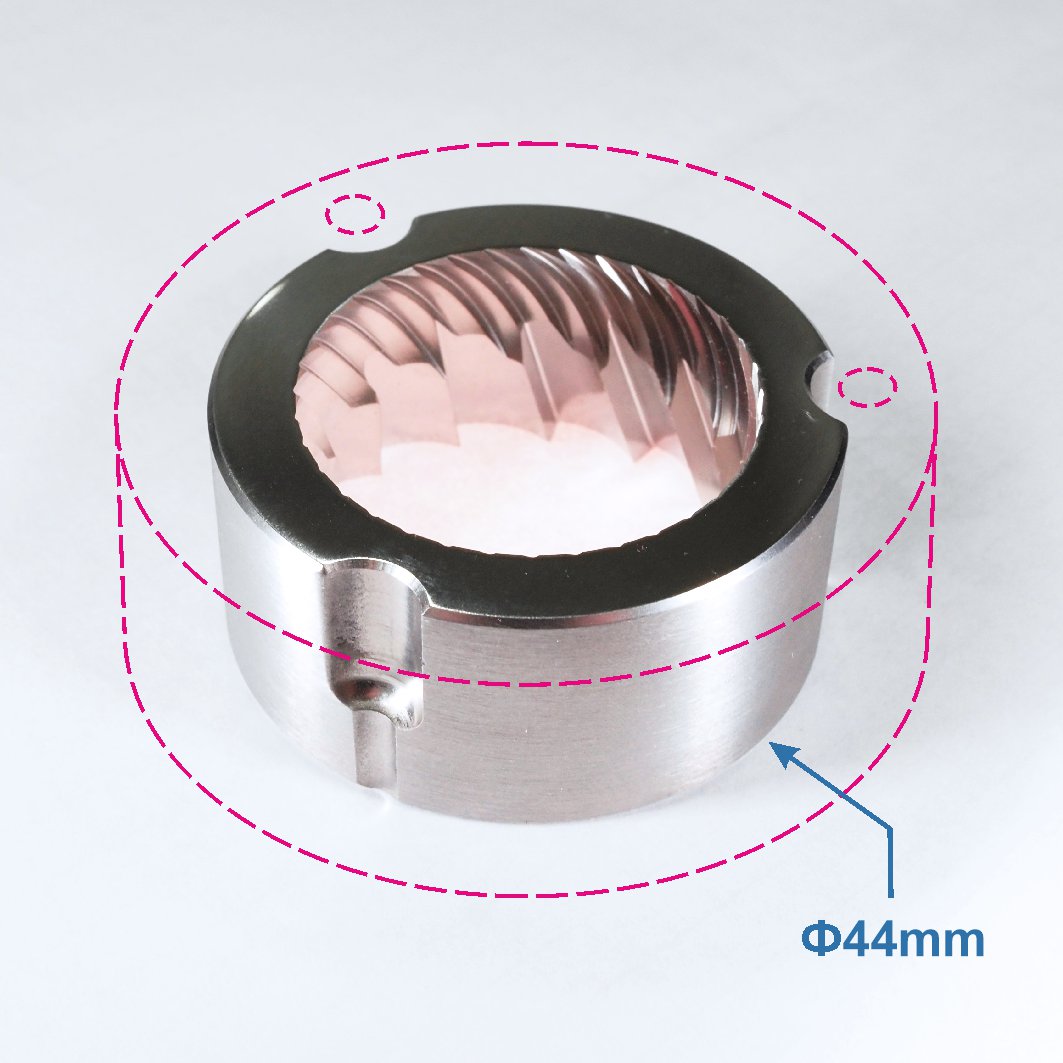
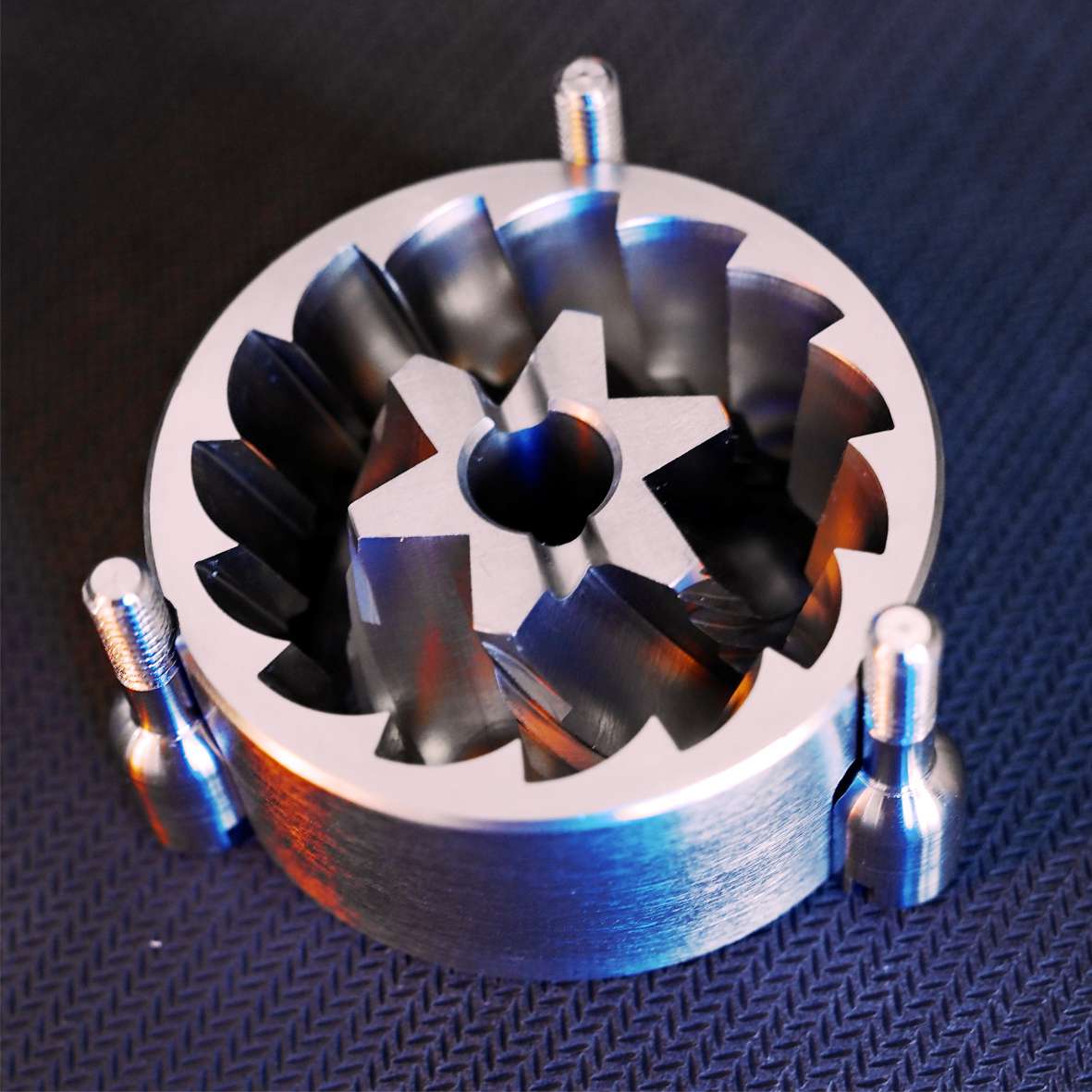
At Overlord, we've perfected the ring burr to a consistent 44mm diameter by removing useless material to make it lighter. We also made the ring burr self-calibrating by redesigning mounting holes and custom made bolts that hold it.
The cones fall in a flexible range from 26 to 36mm. This gives you lots of design options: burr sets for espresso or filter coffee, smaller for easy hand grinding or larger ones for our upcoming electric stand - all within one mounting system.
Burr Movement
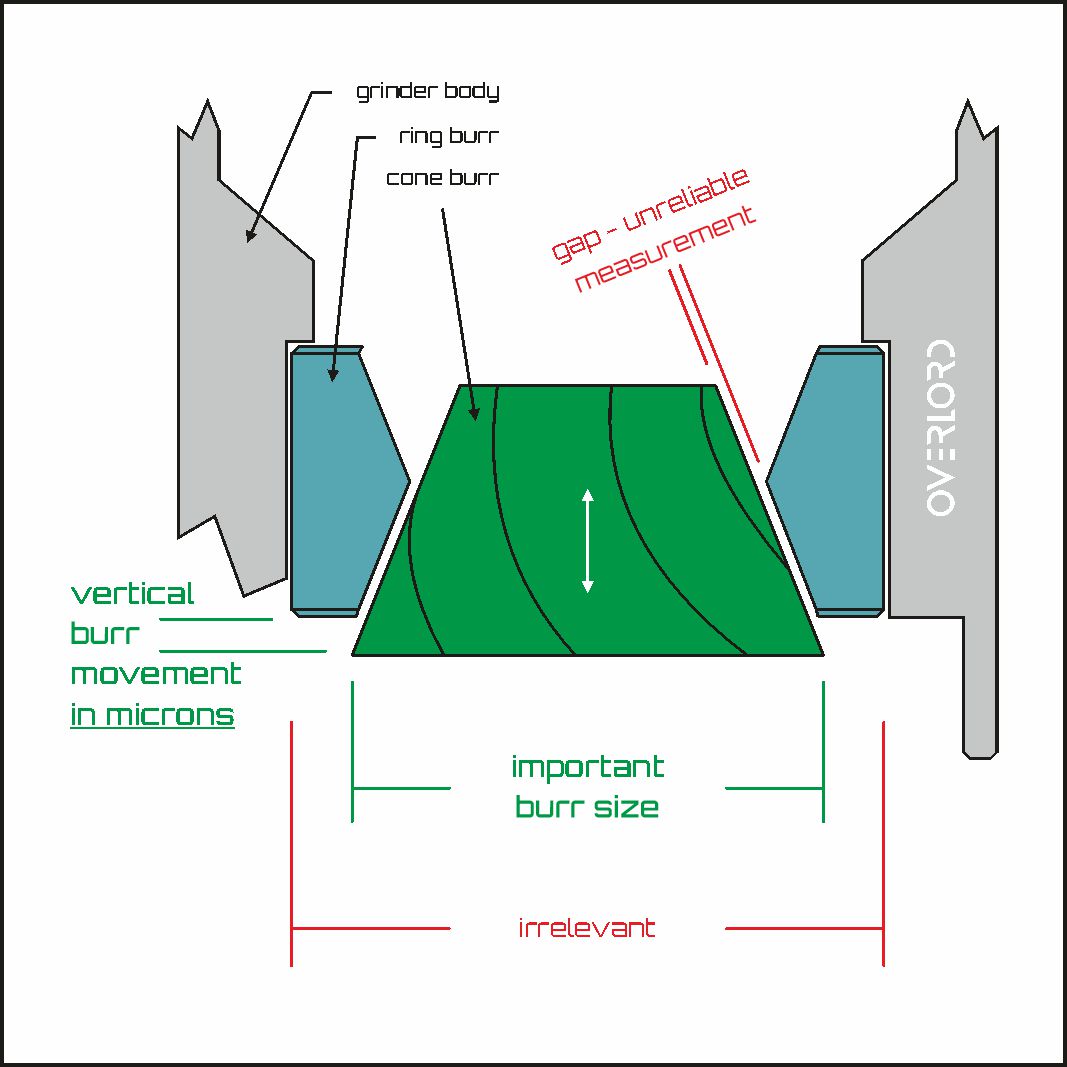
Have you ever seen a grinder tout its "burr gap" - the distance between the cone and ring burr walls? Not only does it sound confusing, but for conical burrs, it’s a misleading metric. Angle of the burrs' walls differ from model to model, and the walls often have curved geometries, so measuring the "gap" between them reliably simply becomes impossible.
Vertical movement is what matters: how far the cone shifts up or down when you adjust the grinder. At Overlord, we measure this vertical travel in microns, offering clear and repeatable precision that gives you direct control over the grind size and coffee flavor.
Nano or Micro?
“Nanometer adjustment”? Here’s the reality: when you see claims that burrs are adjusted in nanometers, remember that a nanometer is 1000 times smaller than a micron! At nano level we’re talking about the scale of atoms, not coffee particles.
On the other hand, a micron (also known as micrometer) is already an incredibly small unit - one thousandth of a millimeter. For perspective, a human hair is about 80 microns thick. Measuring in microns is the gold standard for grinders, creating uniform particles for rich coffee flavor. That's the real deal, no nanometer nonsense.
Old Systems
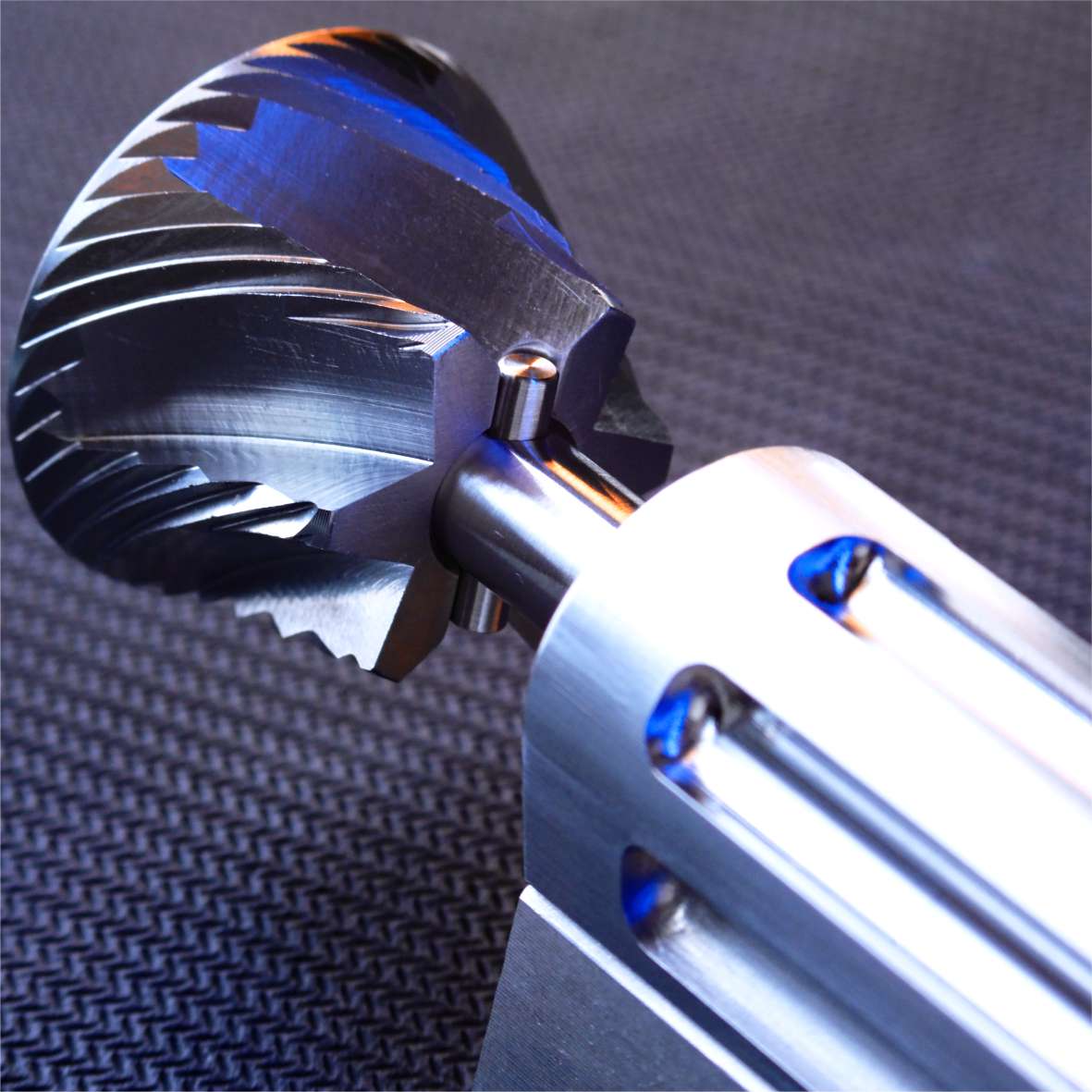
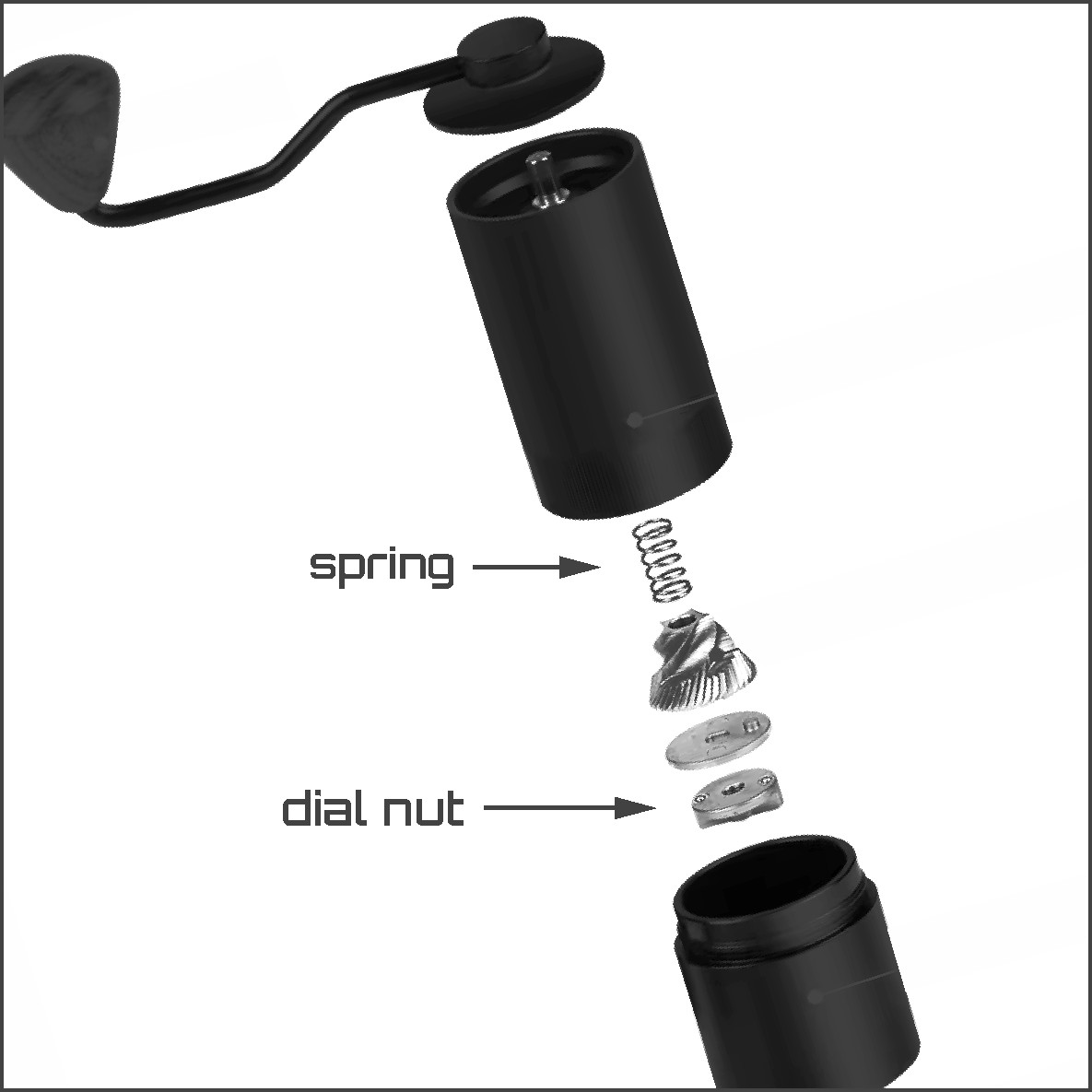
Many traditional conical grinders use a spring-loaded system, where the cone burr slides along a threaded shaft, pressed downward by a spring and adjusted by a nut at the grinder’s base. We believe vibrations during grinding cause the cone to jump slightly, disrupting grind consistency.
That subtle movement creates excess fines - tiny particles that slip through and make your coffee overly bitter. At Overlord, we eliminate springs entirely with our monorail construction, which locks the cone burr rigidly to the shaft for rock-solid stability. This ensures consistent particles for vibrant coffee flavor.
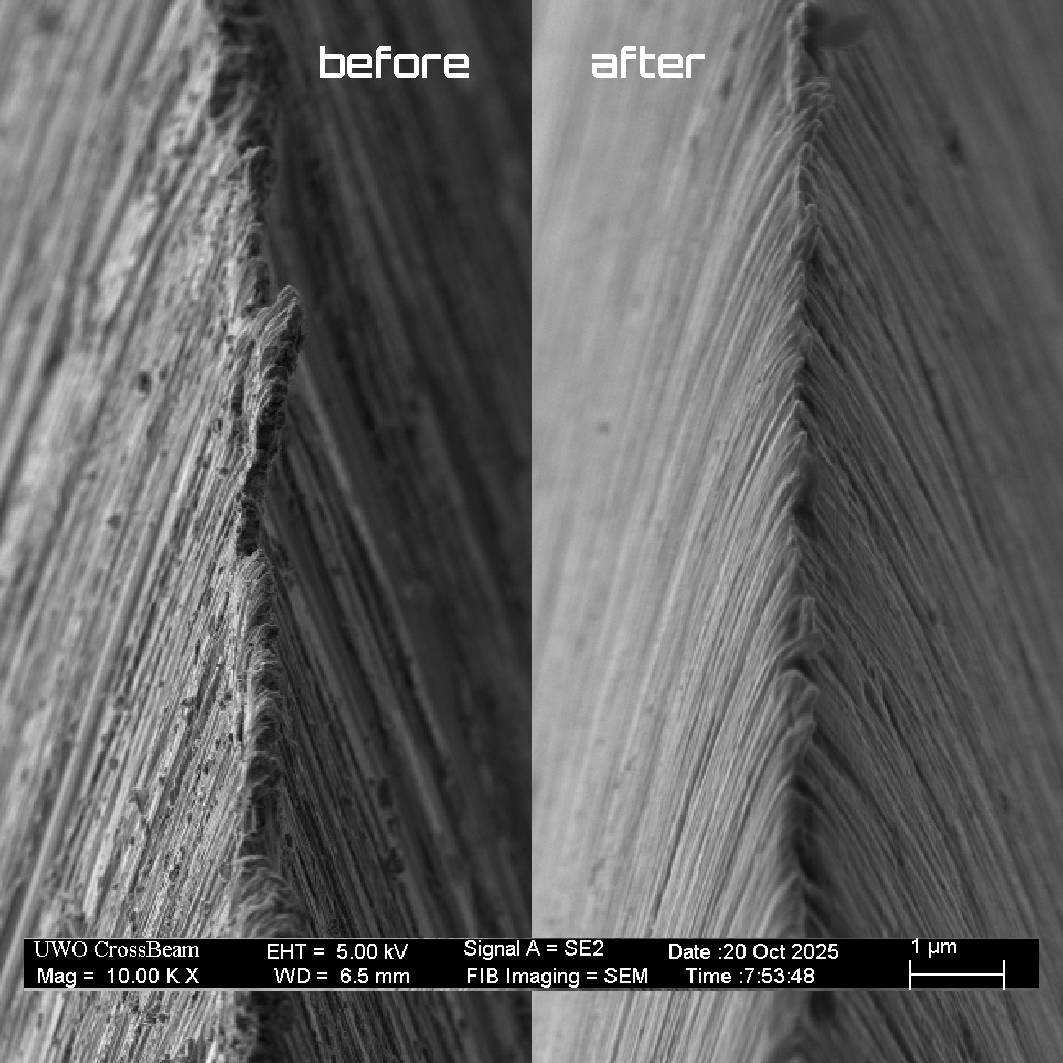
Burr Lifecycle
New burrs arrive with tiny machining marks that disrupt consistency. The seasoning phase softens these edges as you pass about 10kg of your first coffee through the grinder.
Pro Tip: Season new burrs with medium-roasted beans. Avoid grinding rare and expensive ones.
Once seasoned, the burrs hit their maturity phase: the uniform cutting surfaces that produce tight particle distribution and balanced extractions in your brews. The duration of this phase largely depends on the quality of the burr material. Some may last for 500kg of grinding, some up to 3 tons of coffee beans!
The end comes when cleaning and alignment tweaks no longer help. That's why Overlord grinders are built with microscopic adjustments and burr replaceability in mind.
Coatings
Entry-level burrs start with stainless steel: a solid, food-safe choice that delivers reliable performance, rust-resistant and affordable. But unprotected steel wears down faster, shortening the time you enjoy peak flavor and consistency.
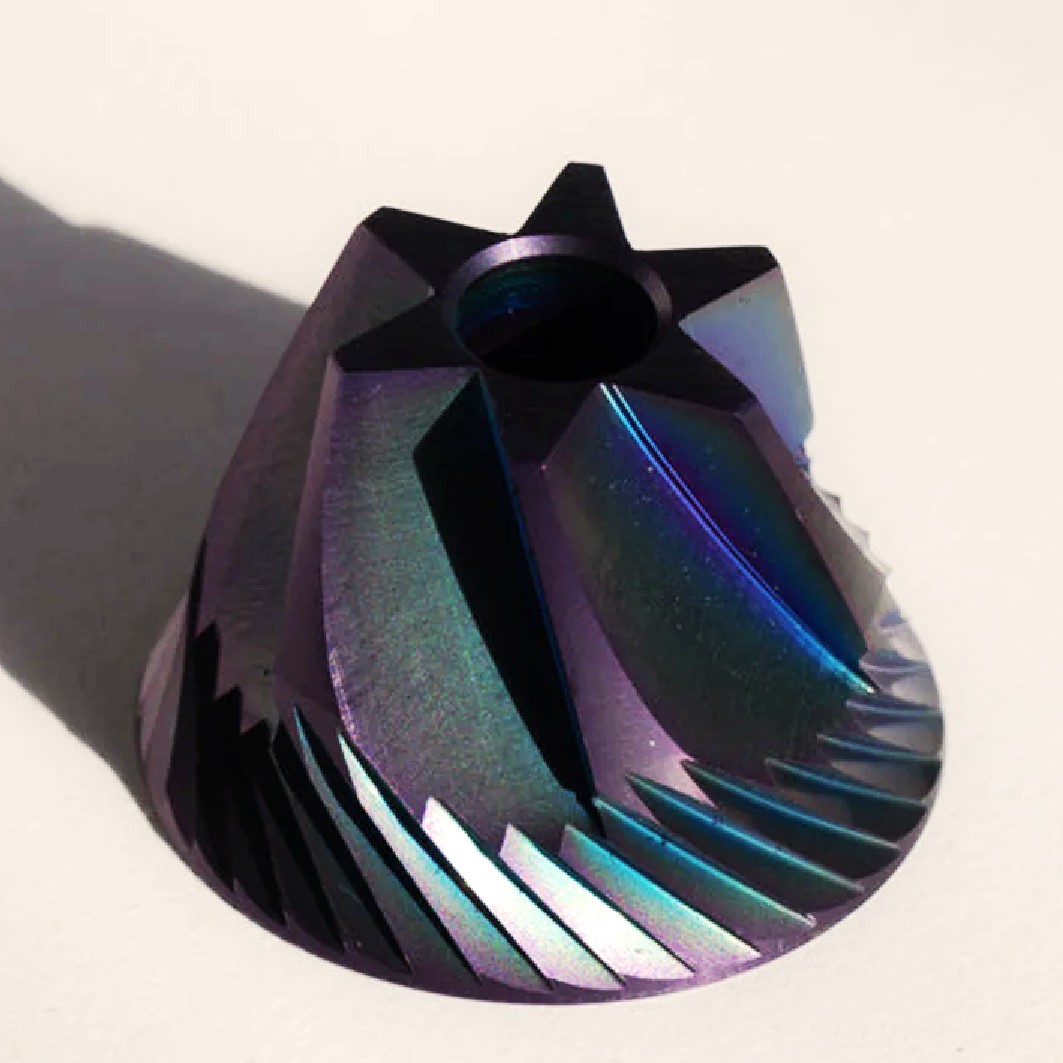
That's where coatings come in, transforming good burrs into premium powerhouses. Take Titanium Nitride (TiN), with its striking gold hue - it adds exceptional hardness. Or Diamond-Like Carbon (DLC), the sleek black layer that offers ultra-low friction. Then there's Titanium Carbonitride (TiCN), a blue-gray hybrid that balances durability and smoothness, excelling in versatile setups that handle everything from bold roasts to delicate singles.
Coatings create a resilient shield that minimizes friction, cuts down on bean oil residue, and extends burr life 2–5x longer. Upgrade your grinder with coated burrs, and turn good coffee into an enduring passion.
Burr Philosophy
Envision burrs as chef’s knives: their quality steel, different coatings, and razor-sharp geometry shape the very soul of your coffee. Whether it’s a precise edge for velvety espresso or a broader blades for bright filter brews, every burr tells a unique flavor story.
Overlord’s open-source platform throws open the doors to innovation. We invite burr artisans globally to create bold new designs, giving you the freedom to try new burr geometries without replacing your grinder. Our system is crafted for endless coffee discovery.
Your Cup of Coffee
In the end, burr specifications aren’t about numbers on paper — it’s all about the coffee in your cup. When burrs grind the beans, particle uniformity becomes the most important variable in the brewing formula. If particles are similar in size, extraction happens evenly, resulting in a balanced, clear, and sweet cup of coffee. But if the grind is disproportionate, small fragments over-extract and create bitterness, while larger particles may under-extract and create boring flavor. Uneven grinds may also create channels if brewed in an espresso machine.
This is why the grinder is the most important tool in your coffee setup. You can buy fresh, expensive beans, but they will be wasted with a low-quality grinder or cheap burrs inside. Grinders don’t just crush beans - they decide the taste.

Practical Tips
Ready to elevate your coffee game? Here are three tips to choose a grinder that delivers your perfect brew:
-
Skip the Hype: Ignore flashy claims like “nano adjustments” or oversized burr specs. Focus on micron precision and stable burr design - that’s what ensures consistent grinds for rich flavor.
-
Match Burrs to Brew: Pick burrs that fit your style - tight geometries for espresso, moka pot and Turkish coffee, or wider cuts for pour-over's bright clarity.
-
Plan for Longevity: Choose a grinder built to last, with easy burr swapping for cleaning and upgrading. This keeps your setup fresh, saving you from buying a new one as your tastes evolve.

The Takeaway
Great coffee starts with great burrs - their geometry and stable positioning relative to each other shape every sip. Overlord is designed to bring you the best of these elements, letting you explore the world of flavors with a single grinder.
We’re committed to collaborating with burr makers worldwide to offer you fresh and creative burr designs, ensuring your grinder stays versatile and ready for any coffee adventure.
But great burrs need an exceptional mechanism to deliver their full potential! Discover how Overlord’s M1 mechanism makes this possible in our article:
Got thoughts on burrs or tips for your perfect brew? Share them on our Facebook we'd love to chat about coffee with you. If this guide sparked some ideas, pass it on to friends with the share icons below and keep the coffee love growing!
